Water Heater Installation: What Homeowners Need to Know
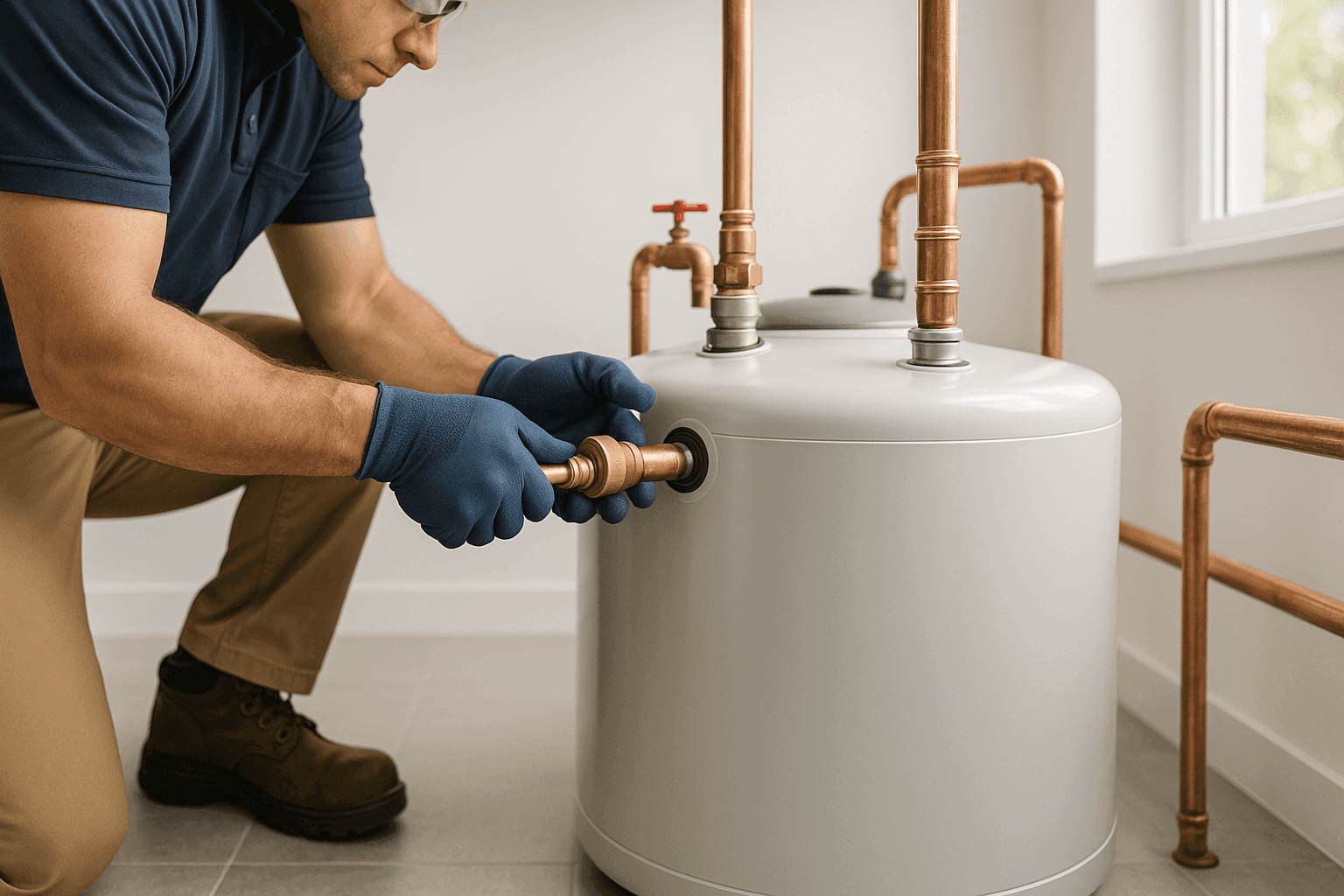
Water heaters are the quiet heroes of your home. You count on them for showers, laundry, and those moments when only hot water will do. But when it’s time for a new installation, the stakes are higher than most people realize.
A proper installation isn’t just about getting hot water. It’s about safety, energy savings, and making sure your investment lasts. Even a small mistake can lead to leaks, inefficient heating, or—worse—unseen safety hazards. At Smith Plumbing Heating & Cooling, we believe every homeowner deserves to know what goes on behind the scenes.
Why Proper Water Heater Installation Matters
Think of your water heater like the heart of your home’s plumbing system. If it’s not installed correctly, the whole house can suffer. A loose connection, a faulty valve, or improper venting can all lead to problems that snowball into bigger headaches.
A professionally installed water heater means:
- Fewer leaks and breakdowns.
- Reliable hot water—day and night.
- Protection from dangerous gas leaks or electrical issues.
- Compliance with local codes and safety standards.
Skipping steps or rushing the job is like building a house on sand. So, what should homeowners know before, during, and after installation?
Types of Water Heaters 🛁
Choosing the right water heater is a lot like picking shoes for the weather. The best option depends on your home and your family’s needs. Here are the two main types you’ll find in most homes:
Traditional (Tank) Water Heaters
These are the old faithfuls—big tanks that store and heat water all day. They come in various sizes, usually between 30 and 80 gallons. Good for homes with steady, predictable hot water needs.
Pros:
- Lower upfront cost.
- Simpler to install.
- Reliable for high-demand households.
Cons:
- Uses energy to keep water hot, even when you’re not using it.
- Takes up more space.
- Lifespan can be shorter than tankless options.
Tankless (On-Demand) Water Heaters
These heaters are more of a “just-in-time” system. They only heat water when you need it, saving energy and space.
Pros:
- Lower energy bills.
- Endless hot water for long showers.
- Compact—fits in tight spaces.
Cons:
- Higher initial cost.
- Installation can be more involved.
- May require upgrades to gas lines or electrical systems.
Factors to Consider Before Installation 🛠️
Picking a water heater isn’t just about the sticker price. Here’s what to weigh before making a decision:
- Capacity: How many people live in your home? Do you run multiple showers at once?
- Energy Source: Gas, electric, or even hybrid? Each has its pros, cons, and local code considerations.
- Efficiency Ratings: Look for models with high Energy Factor (EF) ratings. ENERGY STAR® labels are a helpful guide.
- Space: Do you have room for a traditional tank, or is a tankless system a better fit?
- Upfront vs. Ongoing Costs: Cheaper tanks might cost more in the long run due to energy loss.
Bringing in a certified plumber ensures you get a system matched to your needs—not just what’s on sale.
The Professional Installation Process
Ever watched a chess master at work? Installing a water heater takes that sort of careful, step-by-step approach. Here’s how licensed plumbers handle it:
1. Assessment and Planning
- Evaluate your home’s plumbing, gas, and electrical setup.
- Confirm the new water heater is compatible with your system and local building codes.
- Plan for backflow prevention near you if required by local regulations.
2. Removal of the Old Unit
- Turn off water, gas, or electricity.
- Safely drain and disconnect the old water heater.
- Check for any corrosion, leaks, or code violations.
3. Preparing the Site
- Ensure venting and drainage are up to code.
- Upgrade connectors or gas lines if needed.
4. Installing the New Water Heater
- Position the unit for proper airflow and access.
- Connect water, gas, and electrical lines.
- Install or update expansion tanks, pressure relief valves, and safety devices.
5. Safety Checks and Testing
- Pressure-test all connections for leaks.
- Verify gas and electrical safety shutoffs work.
- Test the temperature and pressure relief valve.
- Inspect venting for proper exhaust.
6. Final Setup
- Adjust the thermostat to safe levels (generally 120°F, per U.S. Department of Energy guidelines).
- Run the system and check for smooth operation.
- Clean up the workspace and haul away the old unit.
Maintaining Warranties and Building Code Compliance
Homeowners sometimes forget that DIY installs or skipping permits can void a manufacturer’s warranty. Worse, it can put your insurance coverage at risk if something goes wrong.
Why Certified Professionals Matter
- Licensed plumbers follow local and national plumbing codes.
- They file the right permits and arrange inspections if required.
- They provide documentation—proof you’ll need if you ever sell your home or file a claim.
The National Association of Home Builders and local authorities recommend always using certified, licensed professionals for water heater installation.
Maximizing Efficiency and Lifespan: Tips for Homeowners
Once your new water heater is up and running, a little attention goes a long way. Here’s how to keep things smooth and efficient:
- Flush the Tank Annually: Removes sediment that can lower efficiency and shorten lifespan.
- Check the Anode Rod: This “sacrificial” part helps prevent rust inside the tank.
- Test the Pressure Relief Valve: At least once a year, to be sure it works in an emergency.
- Insulate Hot Water Pipes: Cuts energy loss on the way to your faucets.
- Adjust the Temperature: 120°F is usually plenty. Higher temps waste energy and raise scalding risk.
- Schedule Preventative Maintenance: Many issues can be caught early by a professional.
Staying Safe: Key Codes and Best Practices
Building codes exist for a reason. They protect families from accidents, leaks, and even carbon monoxide poisoning. Always check:
- If your area requires a permit for installation.
- That your water heater has proper venting, especially for gas models.
- Backflow prevention is in place, especially for certain localities.
- There’s a drain pan under the heater if it’s installed above finished spaces.
Consult resources like the International Association of Plumbing and Mechanical Officials (IAPMO) and your local building department for more details.
Common Questions Homeowners Ask
How long does installation take?
A typical replacement takes 2–4 hours, but upgrades or switching types may need longer.
Is a tankless system right for me?
Tankless heaters work best for smaller families or homes with lower peak demand. Ask your plumber for a load calculation.
What maintenance does my new water heater need?
Flush the tank each year and have it checked by a professional—especially if you notice changes in water temperature or pressure.
Can I install it myself?
Some homeowners try, but risks include leaks, gas hazards, and voided warranties. It’s always safer to call a licensed plumber.
Final Thoughts
Whether you’re replacing an old tank or upgrading to the latest energy-saving model, water heater installation is a job best left to certified professionals. When done right, it means years of reliable hot water, safety, and peace of mind.
If you’re thinking about a new water heater, want to ensure compliance, or just want advice on backflow prevention near you, Smith Plumbing Heating & Cooling is here to help.
Call Smith Plumbing Heating & Cooling now — or reach us anytime at 844-482-8184 .