Toilet Repair 101: Diagnosing and Fixing Common Issues
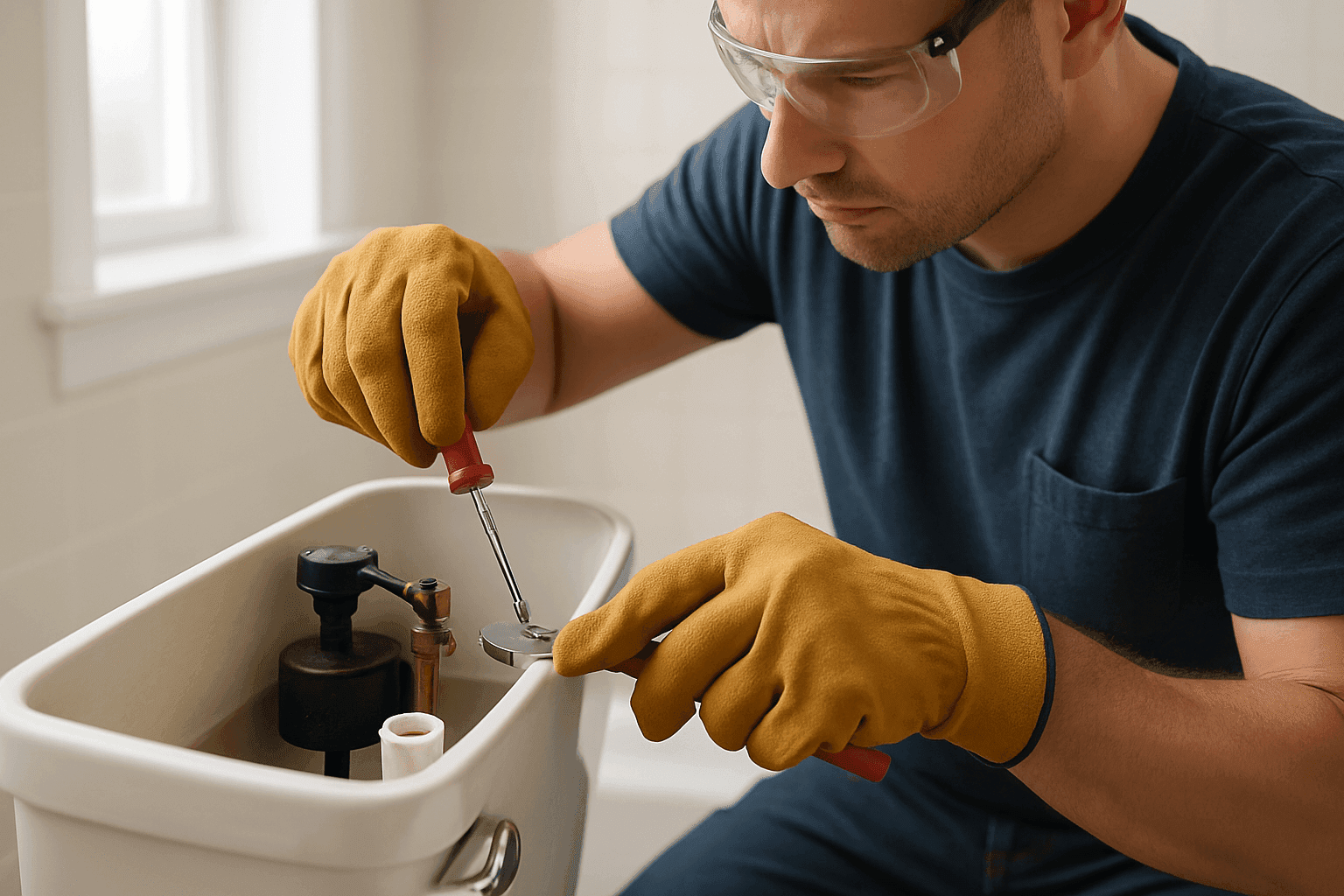
If your toilet is acting up, you’re not alone. Few things disrupt daily life quite like a faulty toilet. Small leaks and running water may seem harmless at first, but they can quietly drain wallets and cause surprising damage behind the scenes.
At Smith Plumbing Heating & Cooling, we know that prompt action saves money and hassle. A neglected toilet can waste hundreds of gallons of water a day and even damage your floors. Let’s dive into the signs, fixes, and best practices for healthy home plumbing.
Diagnosing Common Toilet Issues 🚽
Every toilet tells a story. Sometimes it’s a gentle whisper—a slow trickle of water. Other times, it’s a loud gurgle or a sudden overflow. Here are the four most common toilet problems homeowners face:
Running Toilet
A toilet that runs non-stop isn’t just noisy—it’s the sound of water (and money) going down the drain. Running toilets usually point to issues with the flapper, fill valve, or float.
How to Diagnose:
- Listen for a constant hiss or trickle after flushing.
- Peek inside the tank. Is water flowing into the bowl long after the tank refills?
- Put a few drops of food coloring in the tank. If color appears in the bowl without flushing, you’ve found a silent leak.
Leaking Toilet
Leaks can start small but lead to big headaches—softening floors, rotting wood, and fostering mold.
How to Diagnose:
- Look for water pooling around the toilet base.
- Check for dampness or discoloration on the floor.
- Inspect the bolts and supply line for drips.
- Watch for a musty smell or peeling caulk.
Clogged Toilet
The classic plumbing dilemma. Clogs can be minor or signal deeper issues in your sewer line.
How to Diagnose:
- Water rises dangerously high after flushing.
- Slow draining or gurgling sounds.
- Recurring clogs could hint at larger blockages.
Weak Flush
A weak or incomplete flush leaves behind more than frustration. It may mean buildup, low water level, or a problem with the flush mechanism.
How to Diagnose:
- The bowl doesn’t empty fully with one flush.
- Water level in the tank seems low.
- You see mineral buildup or debris in the rim or jets.
Step-by-Step Repair Tips
Many minor toilet repairs are within reach, but they’re not all created equal. Here’s how to safely tackle each common problem.
Running Toilet: Quick Fixes
- Turn off the water supply valve behind the toilet.
- Remove the tank lid and check the flapper. If it’s warped, dirty, or doesn’t seal, replace it.
- Adjust the float arm if the water level is too high, causing overflow into the overflow tube.
- Inspect the fill valve. If it’s making noise or failing to shut off, consider replacing it.
Tip: Universal repair kits are available at most hardware stores, and instructions are usually printed on the packaging.
Leaking Toilet: What to Check
- Tighten the bolts that secure the toilet to the floor, but don’t overtighten—they can crack the porcelain.
- Inspect the wax ring seal under the base. If there’s persistent leaking, the ring may need replacing.
- Examine the supply line and shut-off valve for drips. Replace any worn washers or supply lines.
Warning: If you see signs of floor damage, call a plumber. Leaks can weaken the subfloor and lead to costly repairs.
Clogged Toilet: Clearing Safely
- Use a plunger with a flange for a better seal.
- For stubborn clogs, a toilet auger (closet auger) can reach deeper blockages.
- Avoid chemical drain cleaners. They can damage pipes and the environment.
If the clog keeps coming back, it may be time for a professional sewer line inspection.
Weak Flush: Boosting Power
- Check the tank’s water level. Adjust the float so the water sits about an inch below the overflow tube.
- Clean the rim holes and siphon jet with a wire or brush to remove mineral deposits.
- Ensure the flapper opens fully when you press the handle.
Quick Safety Checklist 🛠️
Before any DIY toilet repair, remember:
- Turn off the water supply at the shut-off valve.
- Wear waterproof gloves to avoid contact with germs and cleaning chemicals.
- Use only tools designed for plumbing—like a plunger, adjustable wrench, or toilet auger.
- Keep towels or a bucket handy for spills.
- Avoid overtightening bolts or fittings, which can crack porcelain.
If you’re ever unsure, step back and call a professional.
DIY vs. Call a Pro
Some fixes are straightforward. Others are more like a puzzle with missing pieces. Here’s when to roll up your sleeves—and when to pick up the phone:
DIY-Friendly:
- Replacing a flapper or fill valve
- Tightening bolts
- Plunging minor clogs
Call a Professional For:
- Persistent leaks, especially at the base
- Signs of subfloor damage or mold
- Water backing up into other drains
- Repeated or severe clogs
- Sewer line issues or Backflow Prevention near you
Plumbing codes and safety standards—like those from the International Association of Plumbing and Mechanical Officials (IAPMO)—exist for a reason. If your repair feels out of your league, you’re in good company. Licensed plumbers are trained for these moments.
What Pros Do On Arrival
When you call Smith Plumbing Heating & Cooling, here’s what you can expect:
- Careful assessment of the whole system, including water pressure and supply lines
- Use of specialized leak detection equipment
- Inspection of sewer lines with cameras if needed
- Safe removal and replacement of faulty parts, from wax rings to shut-off valves
- Advice on preventing future problems
We follow all local plumbing codes and prioritize your family’s safety.
Prevention & Maintenance
A well-cared-for toilet rarely surprises you. Here’s how to keep things running smoothly:
- Check for leaks at least once a season.
- Never flush anything except toilet paper—no wipes, paper towels, or hygiene products.
- Clean mineral deposits from jets and rim holes regularly.
- Test the shut-off valve to ensure it works.
- Schedule annual plumbing maintenance, especially if your home is older.
A little attention goes a long way. Like changing your car’s oil, routine toilet care prevents breakdowns.
Costs & Time Factors
Toilet repairs come in all shapes and sizes. Here’s what to expect:
- Minor fixes (flapper, handle, fill valve): Often completed in under 30 minutes.
- Leaking base or wax ring replacement: 1–2 hours, depending on floor condition.
- Clogs: Simple plunging takes minutes; deeper blockages may require an hour or more.
- Professional intervention: Factoring in diagnosis and parts, most repairs are same-day—but severe leaks or subfloor damage can take longer.
Material costs are usually modest. Labor depends on complexity and access.
When It’s an Emergency 🚨
Certain toilet troubles can’t wait:
- Water overflowing and won’t stop
- Sewage backup into sinks, tubs, or other toilets
- Visible mold or soft spots around the toilet
- Gas odors coming from the bathroom (may indicate venting or gas line issues)
Turn off the water supply, keep everyone clear of the area, and call for emergency plumbing service right away.
FAQ
Can I use a regular plunger for my toilet?
It’s best to use a flange plunger, which creates a better seal in the toilet bowl and clears clogs more efficiently.
How do I know if my toilet needs to be replaced?
If you see cracks, repeated leaks, or the toilet is over 20 years old and inefficient, replacement may be more cost-effective.
Is it safe to use chemical drain cleaners?
Avoid them. Chemical cleaners can damage pipes, harm septic systems, and pose health risks.
Why does my toilet keep clogging?
Frequent clogs might mean there’s a blockage further down the line or that too much paper or non-flushables are being used.
Local & Seasonal Considerations
In colder months, pipes near exterior walls can freeze—leading to leaks or weak flushes. If your home is older or in an area with hard water, mineral buildup is more common and may require more frequent maintenance.
During heavy rains, sewer line backups are more likely. Regular sewer line inspection and Backflow Prevention near you can help keep your bathroom plumbing safe year-round.
Don’t let a small toilet problem grow into a major headache. For reliable plumbing help—day or night—
Call Smith Plumbing Heating & Cooling now — or reach us anytime at 844-482-8184 .