Backflow Prevention: Homeowner Guide to Safe Water
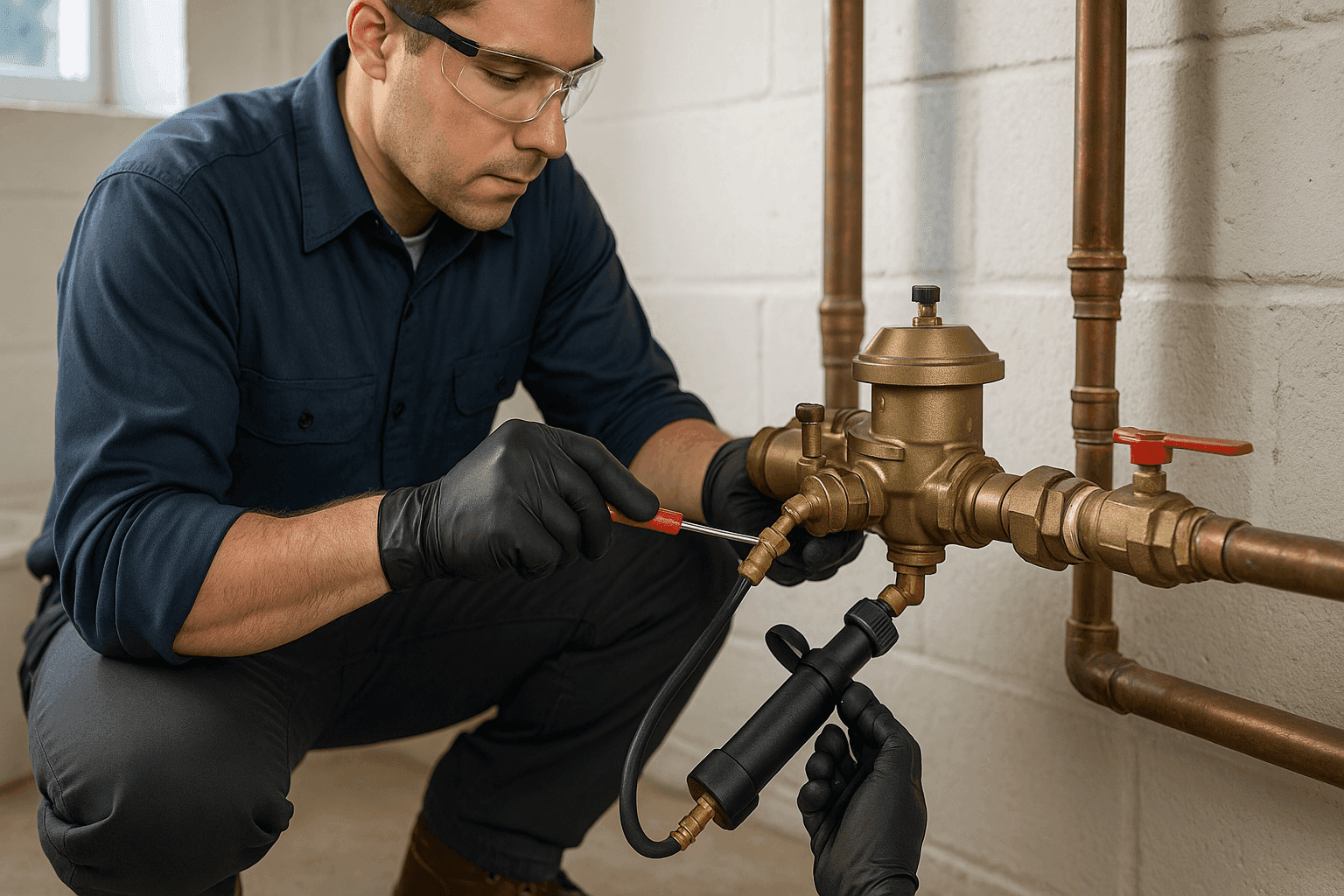
Every homeowner wants peace of mind about the water flowing from their taps. But what if something unseen could threaten the safety of that water? Backflow is a silent risk that can turn your everyday plumbing into a problem no one wants to face.
At Smith Plumbing Heating & Cooling, we believe knowledge is as important as a wrench. Here’s your practical, plain-English guide to backflow prevention—why it matters, what to watch for, and how to keep your home’s water clean and safe.
What Is Backflow and Why Should Homeowners Care? 🚰
Imagine you’re filling a glass of water. You trust it’s clean. But if backflow occurs, contaminated water from outside your pipes could sneak in—like a river running backward. Backflow can let dirty water, chemicals, or even sewage mix with your home’s drinking supply.
How does this happen? It usually takes just a sudden change in water pressure. Maybe a water main breaks down the street. Or a fire hydrant is opened during an emergency. That drop in pressure can pull polluted water from your irrigation system, garden hose, or even a faulty toilet valve back into your pipes.
This isn’t just an “ick” factor. It’s a real health risk. Contaminants like bacteria and chemicals can cause illness or worse. That’s why plumbing codes across the U.S. (including the Uniform Plumbing Code and local regulations) require backflow prevention devices in homes.
The Risks of Ignoring Backflow Devices
Skipping maintenance on your backflow preventer is a bit like driving a car with worn-out brakes. You might not notice the risk—until something goes wrong.
Common risks of neglected backflow devices:
- Unsafe drinking water for your family
- Bacterial contamination (think E. coli or worse)
- Costly repairs for water damage or pipe corrosion
- Fines for violating local plumbing codes
- Possible liability if your property’s water contaminates the neighborhood supply
Types of Backflow Preventers Found in Homes
Not all backflow preventers look the same. Some are simple. Others are complex. Here’s what you might find:
- Atmospheric Vacuum Breakers (AVB): Often on garden hose bibs and irrigation lines. They stop water from flowing backward into your pipes.
- Pressure Vacuum Breakers (PVB): Common in lawn sprinkler systems. They use air pressure to block backflow.
- Double Check Valve Assemblies (DCVA): These are used where there’s a moderate risk of contamination, like on fire sprinkler systems or some outdoor faucets.
- Reduced Pressure Zone Assemblies (RPZ): These offer the highest protection, required where the risk is greatest—like near chemical tanks or medical equipment.
If you see a brass gadget with pipes leading in and out near your main water shutoff or irrigation system, it’s probably a backflow preventer.
Quick Safety Checklist: Spotting Early Warning Signs
Don’t wait for a crisis. Here’s a step-by-step checklist to catch backflow issues early:
- Strange Water Taste or Smell: Does your water taste earthy, metallic, or just plain odd?
- Discolored Water: Any brown, yellow, or cloudy water coming from your taps?
- Visible Leaks or Corrosion: Check your backflow device, pipes, and valves for rust, drips, or mineral buildup.
- Low Water Pressure: Sudden drops may mean a problem with your backflow preventer or water supply.
- Unusual Sounds: Gurgling, whistling, or banging pipes can signal trouble.
- Standing Water Outside: Puddles near your backflow preventer or main water line aren’t normal.
Catch one of these red flags? It’s time to act.
DIY or Call a Professional Plumber?
Some simple checks—like looking for leaks or odd smells—are fine for homeowners. But fixing or testing a backflow preventer? That’s a job for a licensed plumber.
Why? Backflow devices are precise. Testing them requires specialized gauges and knowledge. Repairs or replacements must meet state and local codes, or you risk fines and water safety.
What Certified Plumbers Do During Backflow Testing and Repairs
When our certified plumbers arrive, here’s what happens:
- Inspection: We visually check the device, valves, and connections.
- Testing: Using calibrated gauges, we measure water pressure to make sure the device is blocking backflow as designed.
- Cleaning: Mineral buildup or debris can cause failures—so we clean or flush the system as needed.
- Repairs or Replacement: If parts are worn or broken, we swap them out with code-approved replacements.
- Documentation: Most states require annual backflow test reports for residential properties. We provide official paperwork for your records.
Our team keeps up with local regulations and safety standards, so your home stays protected and compliant.
Prevention & Maintenance: How to Keep Backflow Problems Away
Think of backflow prevention like brushing your teeth. Regular attention keeps trouble at bay. Here’s how to maintain peace of mind:
- Annual Testing: Most areas require a certified backflow test every year.
- Keep Areas Clear: Don’t stack boxes or garden supplies around your device. Easy access means easier maintenance.
- Winterize Outdoor Systems: In freezing climates, drain sprinkler lines and insulate exposed parts.
- Check After Plumbing Work: Any big plumbing job—new water heater, pipe repairs, kitchen remodel—should include a backflow device check.
- Stay Informed: Ask your plumber for updates on code changes or new safety tips.
According to the Environmental Protection Agency (EPA) and your local water authority, annual testing is the gold standard for home safety.
Costs & Time Factors: What to Expect
Backflow prevention isn’t free. But compared to the risks, it’s a smart investment.
- Testing: Usually takes 30 to 60 minutes for a residential system.
- Repairs: Minor fixes may be done on the spot; major repairs or replacements could take a few hours.
- Cost Factors: The type of device, ease of access, and local code requirements all play a role.
Staying proactive can keep costs down and prevent emergencies.
When It’s an Emergency
Sometimes, things go wrong fast. Call for emergency plumbing right away if:
- You notice a sudden drop in water pressure and discolored water.
- Your backflow preventer is leaking or spraying water.
- You smell sewage or chemicals in your tap water.
Don’t wait. Protect your household and your neighbors—contaminated water isn’t just your problem; it’s a community issue.
FAQ: Common Homeowner Questions
Q: How often should backflow preventers be tested?
A: Most plumbing codes require annual testing by a certified plumber.
Q: Can I test or repair my own backflow device?
A: Visual checks are fine, but repairs and official testing require certification. DIY fixes can void compliance.
Q: What causes backflow in the first place?
A: Drops in water pressure—such as a main break or firefighting activity—can cause water to reverse direction.
Q: Is backflow prevention required by law?
A: Yes. Local and national plumbing codes (Uniform Plumbing Code, International Plumbing Code, state and city regulations) require it.
Local & Seasonal Considerations
Here in our region, seasonal changes matter. Winter freezes can crack outdoor backflow preventers. Spring and summer bring heavy lawn watering and outdoor projects, which increase the risk of cross-connections.
If you’re unsure what’s required for your home, or if your neighborhood recently updated plumbing codes, reach out for guidance. Stay up-to-date with your local water authority and city guidelines to avoid surprises.
Taking small steps today can prevent big headaches tomorrow. Protect your home’s water, your family’s health, and your community’s peace of mind.
Call Smith Plumbing Heating & Cooling now — or reach us anytime at 844-482-8184 .