How to Prevent Frozen Pipes and Winter Plumbing Disasters
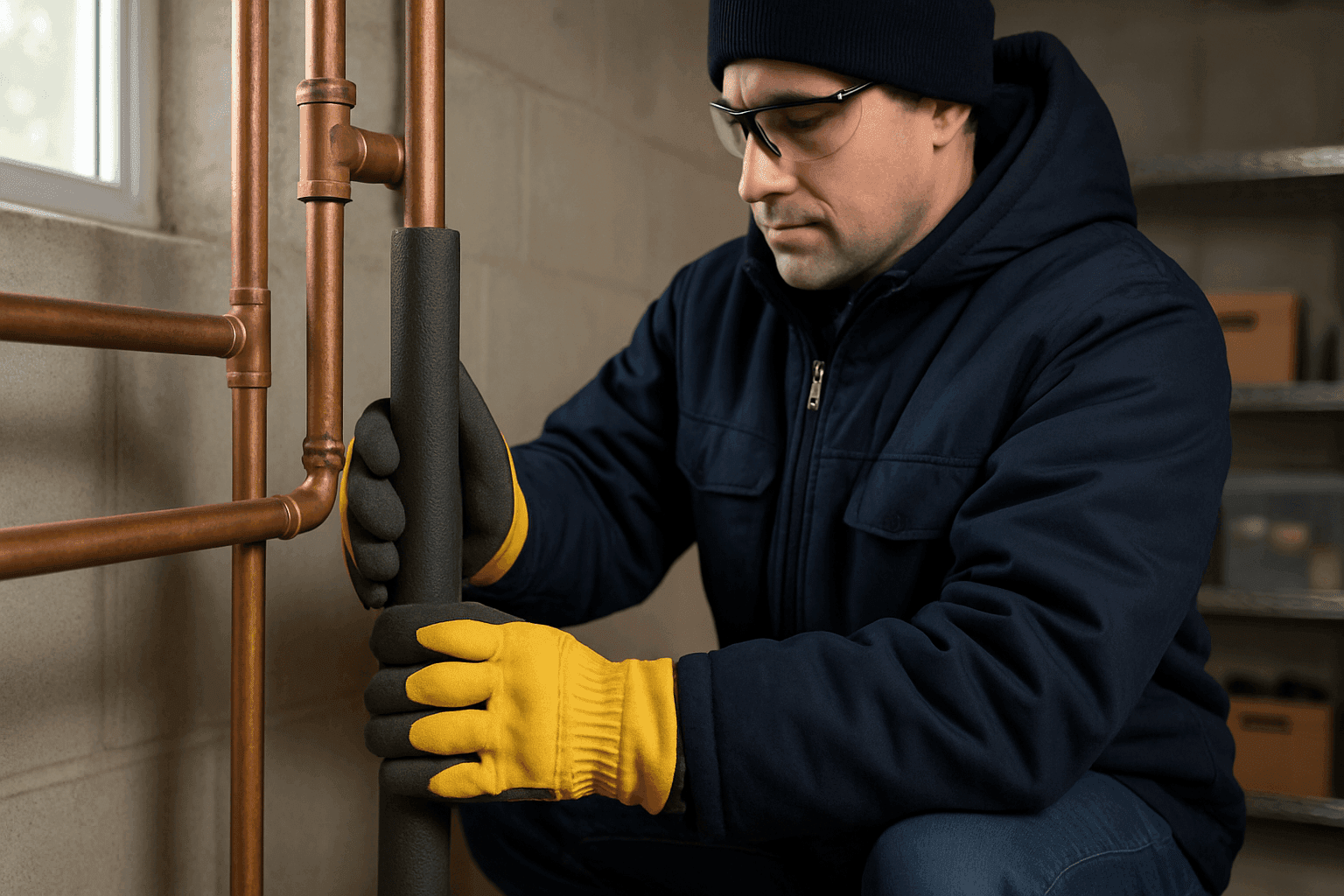
Winter sneaks up fast. One deep freeze—and suddenly, you’re dealing with a burst pipe, water gushing where it shouldn’t, and a new definition of “home emergency.” Cold snaps don’t care if your house is new or old, big or small. When plumbing freezes, the damage can be instant. Repairs? They add up quick.
At Smith Plumbing Heating & Cooling, we’ve helped countless homeowners face down winter’s worst. Below, we break down why pipes freeze, what spots in your home need the most attention, and how to keep winter plumbing headaches far, far away.
Why Pipes Freeze
Water is stubborn. When it freezes, it expands—turning a quiet pipe into a ticking time bomb. Once pressure builds past the pipe’s limit, the result is a split or burst. Even a pencil-thin crack can unleash gallons of water in minutes.
Pipes typically freeze when:
- Temperatures drop below 20°F (-6°C), according to the International Code Council and Red Cross guidelines.
- There’s little or no insulation around exposed plumbing.
- Pipes run along exterior walls, crawl spaces, or unheated basements.
- The thermostat gets turned down too low overnight or during trips away from home.
A frozen pipe isn’t just an inconvenience. The U.S. Federal Emergency Management Agency (FEMA) warns that water damage from a burst pipe can rival that of a flooded basement—costing thousands in repairs, mold cleanup, and lost valuables.
Vulnerable Areas in Homes 🧊
Every home has weak spots—the places winter cold finds its way in. Some are obvious, others easy to overlook.
Key danger zones:
- Attics and crawl spaces: Pipes here are often uninsulated and exposed to the elements.
- Basements: Unfinished or poorly heated spaces are especially risky.
- Kitchen and bathroom cabinets: Pipes against exterior walls are vulnerable, especially under sinks.
- Garages and outbuildings: Plumbing in these areas is rarely insulated.
- Laundry rooms: Utility sinks or washer hookups on outside walls.
Older homes may have even more risks—think additions, sunrooms, or “bonus rooms” built over slabs with little insulation. Newer homes aren’t immune either. Modern construction sometimes hides pipes in hard-to-reach corners.
Step-by-Step Prevention Checklist ✅
Before the first frost, run through this list. A few small steps can save you from a winter plumbing disaster.
1. Insulate Exposed Pipes
- Use foam sleeves or wrap insulation tape around pipes in unheated areas.
- Don’t forget pipes in garages, basements, and crawl spaces.
2. Let Faucets Drip
- On bitterly cold nights, let cold water trickle from faucets—especially those on exterior walls. Moving water is less likely to freeze.
3. Open Cabinet Doors
- In kitchens and bathrooms, open cabinet doors to let warmer air surround the pipes.
4. Keep the Heat On
- Set your thermostat to at least 55°F (13°C) day and night—even if you’re away.
5. Seal Leaks and Drafts
- Use caulk or weatherstripping to close gaps around windows, doors, and where pipes enter walls.
6. Disconnect Outdoor Hoses
- Drain and store garden hoses. Shut off outdoor faucets and use insulated covers.
7. Schedule a Plumbing Checkup
- Have a licensed plumber inspect your system. They’ll look for weak spots and recommend Backflow Prevention near you.
What to Do If Pipes Freeze
Even with careful prep, pipes sometimes freeze. If you turn on a tap and get only a trickle, suspect a freeze.
Act fast:
- Keep the faucet open. As ice starts melting, water will begin to flow.
- Gently warm the pipe using a hair dryer, heat lamp, or portable space heater. Never use open flames, like a blowtorch—it’s a fire hazard.
- Start at the faucet and work back toward the frozen section.
- If you can’t find the frozen area, can’t access it, or water won’t move, call a plumbing professional immediately.
Emergency Steps if a Pipe Bursts
If the worst happens and a pipe breaks, don’t panic. Speed is key.
What To Do Immediately
- Shut off your main water valve. Know where it is—usually in the basement, utility room, or near the water meter.
- Kill the electricity if water is pooling near outlets or wiring. Safety first—don’t risk shock.
- Move valuables and furniture out of harm’s way.
- Call a plumber for emergency plumbing help. The sooner repairs start, the less damage to your home.
How a Plumber Can Help
A licensed plumber arrives with the tools and know-how to:
- Locate and repair the burst section quickly.
- Evaluate for hidden leaks or water damage—especially in ceilings, inside walls, or behind cabinets.
- Advise on drying, mold prevention, and long-term fixes.
- Check for other vulnerable areas to prevent a repeat.
Winter Plumbing Tips: New vs. Older Homes 🏠
Newer Homes:
- Modern plumbing often uses PEX or insulated pipes, but check “bonus rooms,” garages, and additions.
- Smart thermostats help maintain steady temperatures.
Older Homes:
- Original pipes may be metal, which is more freeze-prone than modern plastics.
- Insulation may be missing in walls or crawl spaces.
- Consider professional repiping or pipe installation if you’ve had repeated issues.
Remember, every home is unique. What works for one might not work for another. When in doubt, call for a water pressure check or preventative maintenance.
Annual Pipe Checks: Your Best Defense
Don’t wait for a cold snap. Each fall, schedule an inspection—especially if you’ve had water pressure issues, past leaks, or live in a freeze-prone area. The National Association of Home Builders recommends annual plumbing checkups to spot risks before they become disasters.
A professional will:
- Inspect for exposed or uninsulated pipes.
- Test for leaks, blockages, or signs of corrosion.
- Check sump pumps, water heaters, and Backflow Prevention near you.
- Advise on upgrades or insulation needs.
Frequently Asked Questions
How cold does it have to get for pipes to freeze?
Pipes typically freeze when temperatures drop below 20°F (-6°C), but wind chill and drafts can lower this threshold inside your home.
Should I turn off water if I’m away for the holidays?
Yes, especially if you’ll be gone for more than a day or two. Turn off your main water valve and drain faucets to prevent surprises.
Can I use heat tape on my own?
Electric heat tape can help—but only if installed and used according to manufacturer’s instructions and local codes. Faulty installation is a fire risk. When in doubt, ask a professional.
What’s the most important thing I can do to prevent frozen pipes?
Insulate exposed pipes and keep your home heated—these two steps prevent most winter plumbing disasters.
Local and Seasonal Considerations ❄️
Winters in our region swing from mild to biting cold. Early snowfalls or sudden Arctic blasts can catch homeowners off guard. If you’ve just moved into a new house, ask neighbors about local trouble spots—or schedule a sewer line inspection or preventative maintenance with Smith Plumbing Heating & Cooling.
Don’t forget, city and state plumbing codes may require Backflow Prevention or other measures—especially in older neighborhoods or homes with basement bathrooms.
A little preparation now saves big headaches later. Don’t gamble with your home—schedule your annual pipe check before winter arrives.
Call Smith Plumbing Heating & Cooling now — or reach us anytime at 844-482-8184 .