Water Filtration Systems: Choosing the Right Option for Your Home
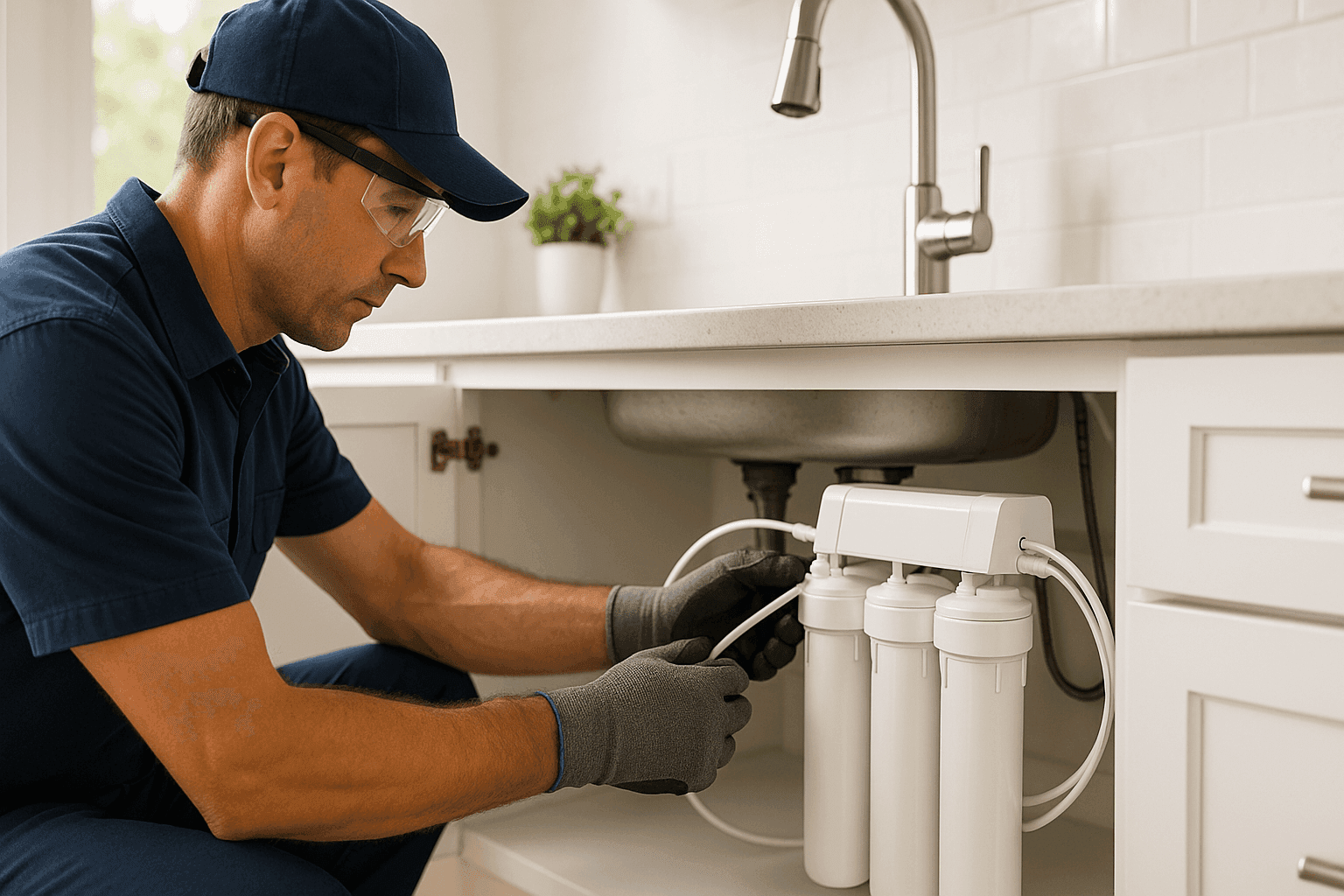
If you've ever filled a glass from the tap and wondered what’s really in your water, you’re not alone. For many homeowners, water quality is invisible—until odors, strange tastes, or stains appear. But the truth is, even clear water can carry hidden minerals, chemicals, or contaminants that can quietly affect your health, your peace of mind, and even the longevity of your plumbing and appliances.
At Smith Plumbing Heating & Cooling, we see the impact of untreated water every day. From clogged fixtures to worn-out water heaters, the story often starts with what flows unseen through your pipes. The good news? The right water filtration system can make a world of difference.
Why Water Filtration Matters 🏡
Filtered water isn’t just about taste. It’s about family health, safer cooking, and making sure your plumbing works harder for longer. Here’s why so many homeowners are choosing water filtration:
- Better Health: Removes chlorine, lead, bacteria, and other contaminants. The CDC and EPA both note that waterborne contaminants can pose health risks, especially to children, seniors, or anyone with a compromised immune system.
- Longer-Lasting Appliances: Hard water minerals like calcium and magnesium build up in pipes, water heaters, and dishwashers—causing inefficiency, clogs, and early breakdowns.
- Better Tasting Water: Say goodbye to metallic, musty, or chemical flavors and odors.
- Peace of Mind: No more guessing what’s in your glass. Just clean, clear water—every time.
Types of Water Filtration Systems
There’s no one-size-fits-all solution. The best system for your home depends on your water source, local water quality, and your family’s needs. Let’s break down the main types:
Water Filter Pitchers
Simple. Affordable. Easy to use. You fill, wait, and pour. These are great for renters or anyone wanting a quick fix without installation. Most pitchers use carbon filters, which reduce chlorine, some heavy metals, and a handful of other contaminants. Downsides? Limited capacity and frequent filter changes.
Under-Sink Filtration Systems
Picture this: a small box or cartridge tucked beneath your kitchen sink, filtering water at the tap. These systems are a step up, targeting more contaminants than pitchers—like lead, chlorine, pesticides, and even some bacteria. Some use reverse osmosis (RO) for even finer filtration. Installation is more involved, but you get filtered water on demand.
Whole House Filtration Systems
The “all-in” solution. These systems filter every drop entering your home, protecting not just your drinking water, but also your showers, laundry, and plumbing. Whole house systems can target sediment, chlorine, iron, and even hard water minerals if paired with a softener. They’re perfect for families who want complete coverage, or homes with well water that’s prone to sediment or iron.
What Do These Systems Remove?
- Pitchers: Chlorine, some heavy metals, basic organic compounds.
- Under-Sink: Lead, chlorine, pesticides, VOCs (volatile organic compounds), some bacteria, and in some cases, fluoride.
- Whole House: Sediment, chlorine, iron, sulfur, some bacteria (with UV add-ons), and hard water minerals (if paired with softeners).
Factors to Consider When Choosing a System
So, how do you choose the right water filtration system for your home? It’s a bit like picking a winter coat—you want the right fit for the job.
- Water Quality: Start with a water test. Know what’s in your water. Is it hard? Is there lead? Bacteria? Your local health department or a certified lab can help.
- Household Size: More people means more water—and a need for higher-capacity systems.
- Plumbing and Space: Under-sink systems need cabinet space. Whole house units need room near where water enters your house.
- Maintenance Needs: Every system has filters that need changing. Some are every month, some once a year.
- Budget: Pitchers are budget-friendly, but whole house systems are an investment.
- Local Plumbing Codes: Some filtration systems, especially those affecting backflow prevention near you, require proper installation to meet plumbing codes and safety guidelines. Always check city or county requirements.
Installation Considerations
Before you buy, think about:
- Water Pressure: Some systems, especially RO, can lower water pressure. Make sure your plumbing can handle it.
- Accessibility: Can you easily reach the filter for maintenance? If it’s a squeeze, you might skip changing it (which defeats the purpose).
- Professional Installation: Whole house and under-sink systems are best installed by a plumbing professional. Incorrect installation can cause leaks, cross-connections, or even void warranties.
Filter Maintenance
Think of filters like the oil in your car—they only work if you change them on schedule. Old filters can harbor bacteria or allow contaminants to slip through.
- Pitchers: Every 1–3 months.
- Under-Sink: Every 6–12 months, depending on water use and filter type.
- Whole House: Sediment filters may need changing every 3–6 months. Carbon filters can last 6–12 months. Always check manufacturer instructions.
Set a calendar reminder! Or leave a sticky note inside your cabinet. Consistent filter changes protect your water, your plumbing, and your peace of mind.
Common Contaminants in Home Water
No two water sources are alike. Here are some of the usual suspects:
- Chlorine: Used for disinfection. Can cause taste and odor issues.
- Lead: Often from old pipes or solder. Dangerous, especially for kids.
- Bacteria and Parasites: Can slip through municipal systems or enter wells.
- Hard Water Minerals: Calcium, magnesium. Not a health risk, but tough on plumbing.
- Iron and Sulfur: Cause staining and rotten egg smells.
- Pesticides and VOCs: Often from agricultural runoff or industrial sources.
Different filters target different contaminants. Under-sink and whole house systems often combine multiple filter stages to tackle a range of threats.
Certifications and Professional Recommendations 🛠️
Not all filters are created equal. Look for certifications from respected organizations, like:
- NSF International: Tests and certifies filters for contaminant reduction claims.
- Water Quality Association (WQA): Certifies products for safety and performance.
- EPA Guidelines: For public water systems and recommended contaminant levels.
Ask your plumber about which systems meet or exceed these standards. A certified system means you’re getting what you pay for—and that it’s safe for your home.
Long-Term Savings
A quality filtration system isn’t just an upgrade—it’s an investment. Here’s how it pays off:
- Fewer Plumbing Repairs: Clean water means fewer clogs, less scale, and longer-lasting pipes, water heaters, and appliances.
- Less Bottled Water: Ditch the plastic. Filtered tap water is better for your wallet and the environment.
- Peace of Mind: Know your family is drinking, cooking, and bathing in cleaner water.
Maintenance Schedules for Optimal Performance 🕒
Routine care is key. Mark your calendar for:
- Monthly: Check for leaks, strange tastes, or odors.
- Every 3–6 months: Replace pitcher or sediment filters.
- Every 6–12 months: Change under-sink and whole house carbon filters.
- Annually: Schedule a professional inspection for whole house systems, especially if you have backflow prevention near you or complex plumbing.
If you’re unsure, always check the manufacturer’s recommendations—or ask a plumbing professional.
Ready to enjoy cleaner water and protect your plumbing for years to come?
Call Smith Plumbing Heating & Cooling now — or reach us anytime at 844-482-8184 .