Emergency Plumbing: What to Do Before Help Arrives
When water is rushing across your floor or a toilet is overflowing, a few seconds can feel like forever. Most homeowners aren’t plumbing experts, but you don’t have to be to take smart steps right now. At Smith Plumbing Heating & Cooling, we know emergencies don’t wait. And neither should you.
If you’re staring down a burst pipe, a sudden leak, or a toilet threatening to flood your bathroom, here’s what you need to know. Quick action matters. We'll walk you through what to do before a professional plumber arrives.
Common Plumbing Emergencies: What They Look Like
Some plumbing problems demand fast action. Here are the big three—plus how to spot them fast:
- Burst pipes: Water spraying or pooling where it shouldn’t, often with a loud rush or thud.
- Major leaks: Water dripping steadily or pouring from ceilings, under sinks, or walls.
- Overflowing toilets: Water rising above the rim, threatening to spill over if not stopped.
Other issues—like sewer backups, gas odors, or water heater leaks—also count as emergencies. If it feels urgent, treat it that way.
Immediate Actions to Take 🚨
Seconds count. Here’s your high-priority checklist:
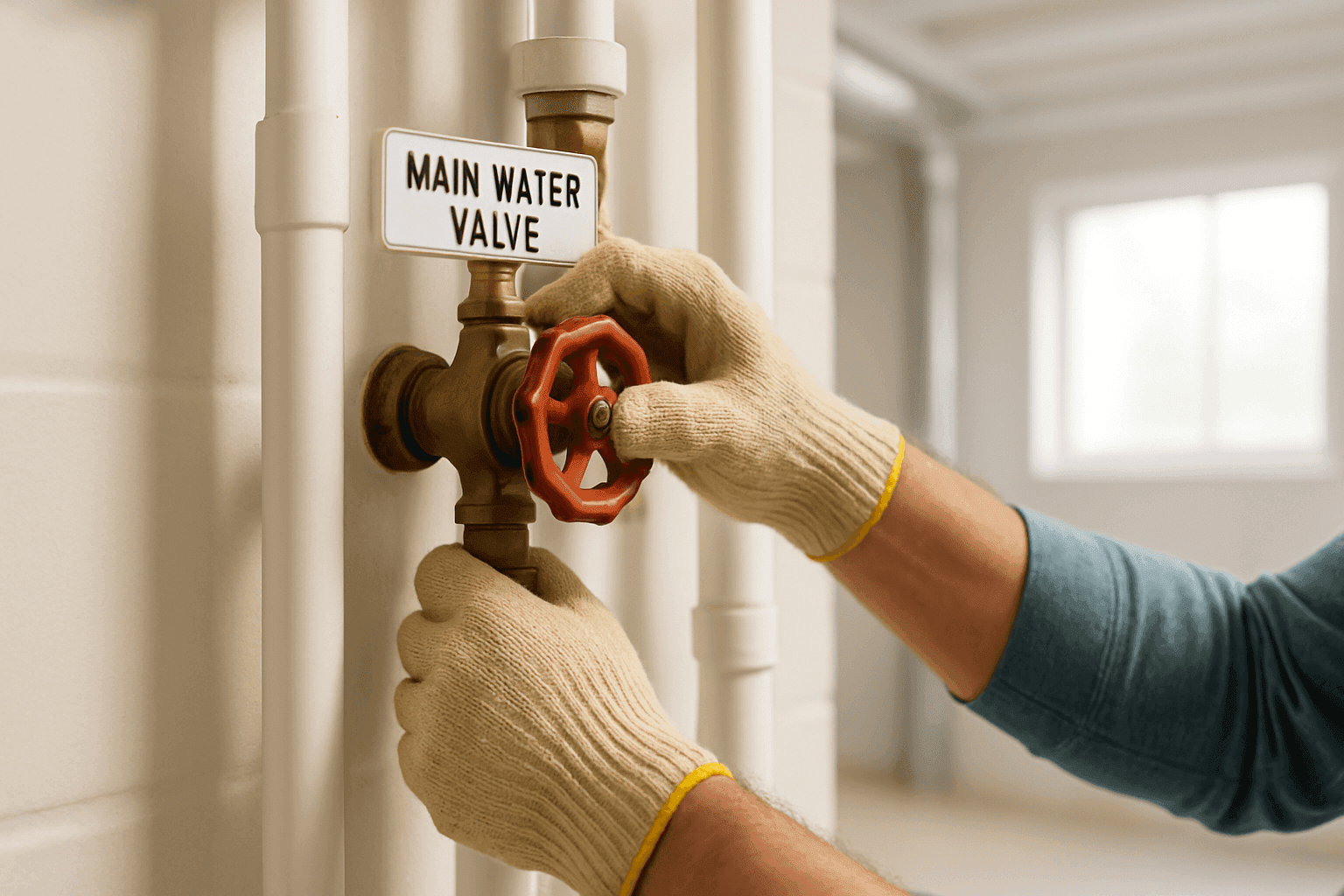
- Shut off the water supply
Find your home’s main water valve. Turn it clockwise (righty-tighty) to stop the flow. If the problem is isolated (like a toilet or sink), use the local shut-off valve under the fixture. - Turn off electricity if water is near outlets or appliances
Water and electricity are a dangerous mix. If water is leaking near outlets, light switches, or appliances, turn off power at the breaker box for that area—if it’s safe to reach. - Move valuables
Shift furniture, electronics, and personal items away from water. Rugs, books, and anything absorbent should go first. - Ventilate
Open windows and doors if possible. Fresh air can help slow the growth of mold.
Safety Tips: Keep Yourself and Your Family Safe
- Never walk through standing water if electrical outlets are submerged or sparking.
- If you smell gas, evacuate immediately and call emergency services. Do not use electrical devices or phones inside the house.
- Avoid contact with sewage or contaminated water—wear gloves and boots if you must enter an affected area.
What Not to Do in a Plumbing Emergency
- Don’t try to patch large leaks with duct tape or towels. These are only temporary and can make matters worse.
- Don’t use chemical drain cleaners during an emergency—these can react with spilled water and create hazards.
- Don’t flush toilets if they’re already overflowing. Wait for help.
Contain and Minimize Damage
Once you’ve stopped the flood, slow it down even more:
- Place buckets or large containers under leaks.
- Use towels or mops to soak up water—wring them out in a sink or tub between passes.
- Prop up furniture on blocks or aluminum foil to keep legs dry.
- If safe, unplug electronics and move them to a dry area.
What Information to Share with Your Plumber 📞
When you call for emergency plumbing help, have this ready:
- Type of emergency: Burst pipe, overflow, leak, loss of hot water, etc.
- Location in the home: Bathroom, kitchen, basement, etc.
- How long it’s been happening: Minutes or hours? Is it getting worse?
- What you’ve already done: Shut off water, power, tried to contain, etc.
- Any unusual smells: Like gas, burning, or sewage.
Providing clear details helps your plumber prepare—bringing the right tools, safety gear, and replacement parts.
DIY vs. Call a Pro: When to Step Back
It’s tempting to reach for the toolbox, especially in a crisis. But some plumbing emergencies are like a wasp’s nest—best left to those who know how to handle them.
When DIY Is Safe
- Tightening a loose fitting under a sink—if you can see it and reach it easily.
- Clearing a simple toilet clog with a plunger (as long as water isn’t overflowing).
When to Wait for a Pro
- Burst pipes spraying water or flooding a room.
- Sewage backups or foul odors.
- Gas leaks, no matter how small.
- Hot water heater leaks or strange noises.
- Any leak you can’t safely reach.
Trying to fix big issues yourself can make the repair harder—and costlier. Leave critical repairs to those with the right training and equipment.
What Pros Do On Arrival
Expect a calm, systematic approach:
- Assessment: Your plumber will inspect the problem area, check for hidden leaks, and test for water pressure or backflow issues.
- Containment: They’ll use professional pumps, water vacuums, or shut-off tools to stop the damage.
- Repair: Depending on the issue, this could mean pipe repair, fixture replacement, unclogging, or even repiping.
- Safety Checks: For gas, electrical, and water quality (including backflow prevention near you).
- Cleanup: Removing excess water, sanitizing, and setting up drying equipment if needed.
Licensed plumbers follow local building codes and best practices. According to the International Association of Plumbing and Mechanical Officials (IAPMO), emergency repairs should also be documented for insurance and safety records.
Prevention & Maintenance: Stopping the Next Emergency 🛠️
The best emergency is one that never happens. Here’s how to reduce your risk:
- Know your shut-off valves—and teach everyone in your home.
- Schedule annual inspections for water heaters, sump pumps, and pipes.
- Install water alarms in basements or under sinks.
- Regular Backflow Prevention testing—especially in older homes.
- Keep drains clear with monthly, non-chemical maintenance.
- Watch for slow leaks—wet spots on ceilings, damp cabinets, or unexplained spikes in your water bill.
Check the American Red Cross and local building code guidelines for more tips on home plumbing safety.
Costs & Time Factors
Plumbing emergencies can be expensive, but swift action makes a difference. Here’s what to expect:
- Time on site: Most emergencies can be stabilized within 1–3 hours. Complex repairs may require parts and a return visit.
- Cost range: Varies by problem—burst pipes, major leaks, and sewer line issues are often the most costly. Simple fixes (like clearing a clog) are less.
- Insurance: Homeowner’s insurance may cover sudden, accidental water damage. Take photos and keep receipts.
When It’s an Emergency: Know the Warning Signs
Not every plumbing problem is a five-alarm fire. But some are true emergencies:
- Flooding that threatens electrical systems or structural damage.
- Sewage backing up into sinks, tubs, or toilets.
- No water or no hot water during freezing weather.
- Gas smells or hissing sounds near gas lines.
- Water heater leaks with pooling water or steam.
If you’re not sure, call your plumbing professional. Better safe than sorry.
FAQ: Your Emergency Plumbing Questions
What should I do if I can’t find my shut-off valve?
Look near where the water line enters your home—often in basements, crawl spaces, or utility rooms. If you can’t find it, call your plumber immediately.
Is a leaking water heater dangerous?
Yes. Leaks can lead to water damage or, in gas models, pose fire and explosion risks. Shut off water and power, then call a professional.
Should I use towels or buckets for a leak?
Yes, as a temporary measure. But avoid overloading buckets and check them often. Don’t rely on towels for large leaks.
Can I use my plumbing during a leak in another part of the house?
Only if you’ve isolated the problem by shutting off the local valve. Otherwise, keep all plumbing off until a professional says it’s safe.
Local and Seasonal Considerations 🌧️
In colder months, frozen pipes are a leading cause of bursts. Insulate pipes in unheated areas and let faucets drip during deep freezes. In rainy seasons, check sump pumps and clear drains to prevent backups.
Regular Backflow Prevention near you is essential year-round, especially after heavy storms or water main breaks.
Create a Printable Emergency Contact List
Prepare for next time. Write down:
- Your main water shut-off location.
- Contact info for Smith Plumbing Heating & Cooling.
- Utility company numbers.
- Local emergency services.
- Insurance claim hotline.
Keep the list on your fridge, in your phone, and share with family members.
Looking Ahead: Keep Your Home Safe
Plumbing emergencies are stressful, but you’re never alone. A little preparation goes a long way. Regular inspections and quick response can keep small problems from turning into disasters.
Call Smith Plumbing Heating & Cooling now — or reach us anytime at 844-482-8184 .