Drain Cleaning Essentials: Preventing and Clearing Clogs
A clogged drain can ruin your day. Water rising in the sink or shower, strange smells, bubbling sounds—these are signs your plumbing just hit a snag. At Smith Plumbing Heating & Cooling, we’ve seen how a small blockage can quickly spiral into a messy emergency.
You’re not alone. Most households will face a stubborn drain at some point. With the right know-how, you can keep those pipes running smoothly and avoid plumbing headaches.
Common Causes of Drain Clogs 🛁
Clogs don’t appear out of thin air. They build up over time, often from things we barely notice. Think of your plumbing like a city highway: when too many cars—debris, grease, hair—jam the lanes, traffic slows and eventually stops.
Here are the usual suspects behind drain clogs:
- Hair: The number one culprit in showers and bathroom sinks. It tangles and binds with soap scum.
- Grease and Oil: In kitchens, fats cool and solidify inside pipes, sticking like glue.
- Food Scraps: Even with a garbage disposal, starchy or fibrous foods (like potato peels or coffee grounds) can cause blockages.
- Soap Scum: Soap combines with minerals in water, creating stubborn buildup.
- Paper Products: Flushing anything but toilet paper—like wipes or paper towels—can block pipes.
- Foreign Objects: Small toys, jewelry, or even cotton swabs can accidentally slip down drains.
Over time, even a trickle of buildup can choke your plumbing. That’s why regular attention matters.
DIY Drain Cleaning Methods
Sometimes, you can clear a clog on your own. But not all remedies are created equal, and some can do more harm than good.
Home Remedies That Are Safe
- Boiling Water: Pouring a kettle of hot water down the drain can loosen grease and soap buildup.
- Baking Soda & Vinegar: Pour half a cup of baking soda, followed by half a cup of vinegar. Let it fizz for 15 minutes, then flush with hot water. This combo breaks down minor organic clogs.
- Plunger: A simple plunger can dislodge clogs in sinks, tubs, and toilets. Make sure you have a good seal.
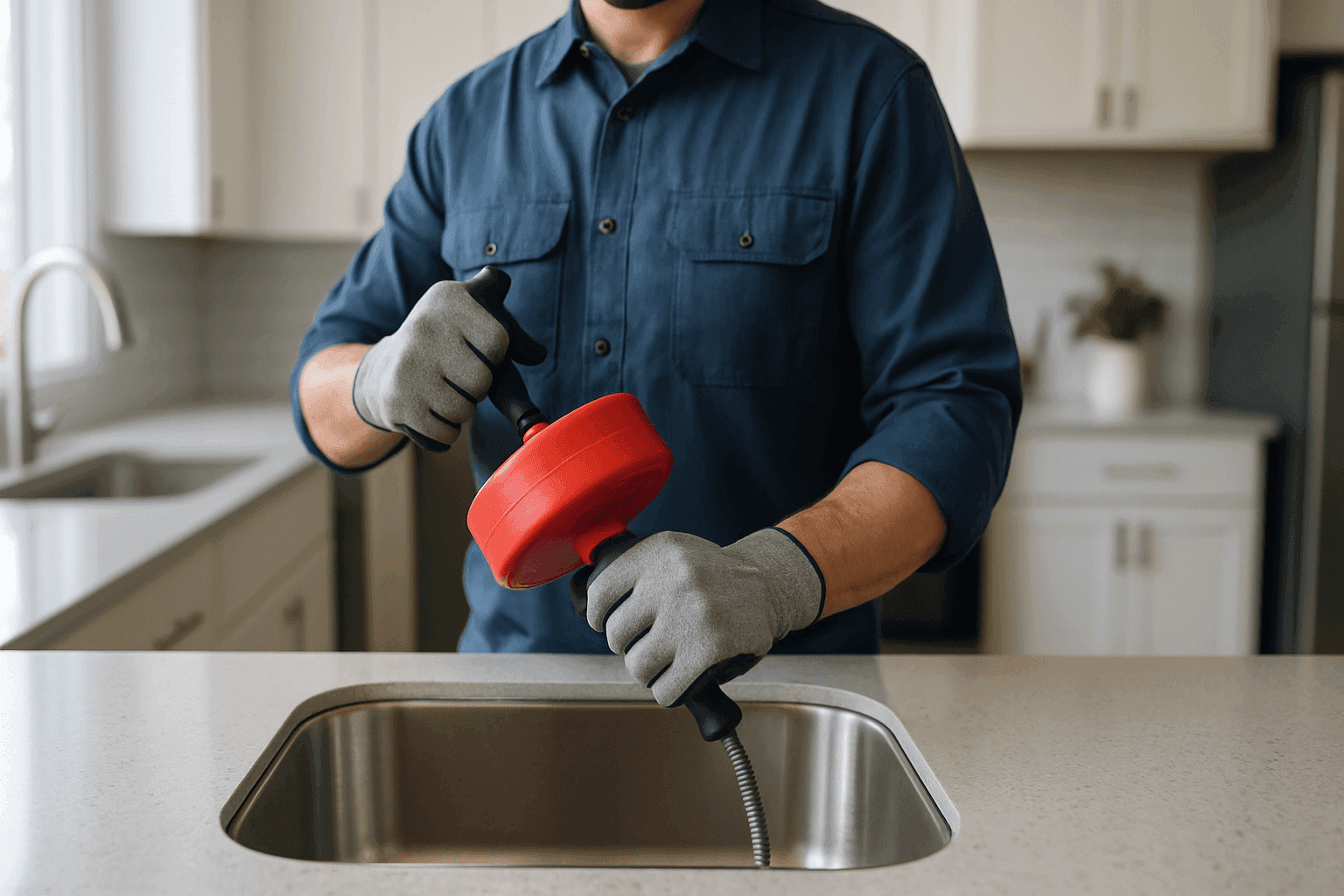
- Drain Snake (Hand Auger): For stubborn clogs, a manual drain snake can break up blockages farther down the pipe.
What to Avoid
- Chemical Drain Cleaners: These products might promise instant results, but they can corrode pipes, harm the environment, and pose health risks if splashed or inhaled. The U.S. Environmental Protection Agency cautions against regular use of harsh chemicals in household drains.
- Wire Hangers: Uncoiling a hanger and poking it down the drain can scratch pipes and make the problem worse.
Tools Worth Having
- Plunger (cup or flange, depending on fixture)
- Handheld drain snake or auger
- Bucket and gloves
If you try these steps and the water still won’t budge, it’s time to step back.
When to Call a Professional
Some clogs put up a fight, and that’s where trained plumbing technicians step in. But how do you know when it’s time?
- Standing Water: If water won’t drain at all, especially in multiple fixtures, a deeper blockage or main line issue could be the cause.
- Frequent Backups: If clogs keep coming back, there may be a bigger problem in your pipes.
- Strange Noises or Odors: Gurgling sounds, sewage smells, or bubbling in toilets signal a serious blockage—possibly in your sewer line.
- DIY Didn’t Work: If home remedies failed, forcing the issue can damage pipes.
Calling a professional for Backflow Prevention near you or other advanced services can save time, money, and future headaches.
What Professionals Do Differently
When our team arrives, we bring experience—and specialized tools. Here’s what sets professional drain cleaning apart:
- Advanced Diagnostics: We use video camera inspections to pinpoint the exact location and nature of the clog, rather than guessing.
- Safe, Effective Tools: Professional-grade augers, hydro jetters, and pipe locators clear blockages without harming your plumbing.
- Thorough Cleaning: Instead of just poking a hole through the clog, we remove buildup from pipe walls for longer-lasting results.
- Preventative Checks: We inspect for pipe damage, leaks, or early warning signs of bigger issues.
Improper cleaning can crack pipes, dislodge joints, or even push clogs deeper. A pro knows how to avoid these risks.
Seasonal Tips for Drain Health
Keeping Drains Clear During Busy Times
Certain seasons put extra stress on your plumbing:
- Holidays: More guests mean extra showers, dishes, and toilet use. Remind visitors what not to flush or pour down the drain.
- Spring Thaw: Melting snow can saturate soil, increasing the risk of sewer backups.
- Heavy Rain: Storms can overwhelm sewer lines, making clogs more likely to cause backups.
- Summer Barbecues: Grease from grilling and large meals can sneak into kitchen drains.
Tip: Before big gatherings, run hot water through all drains and check for slow spots. Address issues early so you can enjoy your event without worry.
Routine Maintenance Advice
A little attention goes a long way. Here’s how to keep your drains flowing:
- Dispose of Grease Properly: Let fats cool, then toss them in the trash.
- Use Drain Screens: Catch hair and food scraps before they go down the drain.
- Flush with Hot Water Weekly: Keeps buildup from forming.
- Be Mindful of What You Flush: Stick to toilet paper only.
- Schedule Preventative Maintenance: Annual inspections and Backflow Testing near you can catch problems before they escalate.
The Plumbing-Heating-Cooling Contractors Association recommends regular inspections and avoiding overuse of chemical cleaners to keep your plumbing system healthy.
FAQ
How often should I clean my drains?
A quick flush with hot water weekly, plus a monthly baking soda-vinegar treatment, keeps most drains clear. Schedule professional cleaning every 1–2 years, or sooner if you notice recurring slowdowns.
Can I use chemical drain cleaners in a pinch?
It’s best to avoid them. Chemicals may clear a clog temporarily but can damage pipes and harm the environment. Safer home remedies and professional help are better options.
What can I do if my toddler flushed a toy?
Turn off the water supply and call a professional. Trying to remove it yourself can push the object deeper, making it harder to retrieve.
Why do my drains smell bad?
Odors can come from trapped food, bacteria, or even a dry P-trap. Try flushing with hot water. If the smell persists, a deeper cleaning or inspection may be needed.
When It’s an Emergency
Some situations require urgent plumbing help:
- Water is backing up into sinks, tubs, or toilets.
- More than one fixture is clogged at once.
- Sewage is visible or smells are overwhelming.
- There’s a risk of flooding or water damage.
If any of these happen, don’t wait. Fast action can prevent bigger problems.
Final Thoughts: Keep Water Flowing, Worry-Free
Clear drains are the backbone of a healthy home. By understanding what causes clogs, using safe cleaning methods, and knowing when to call for help, you can stop small issues from turning into costly emergencies. Regular care and attention mean fewer surprises—and more peace of mind.
Call Smith Plumbing Heating & Cooling now — or reach us anytime at 844-482-8184 .