Detecting and Repairing Hidden Leaks in Your Home
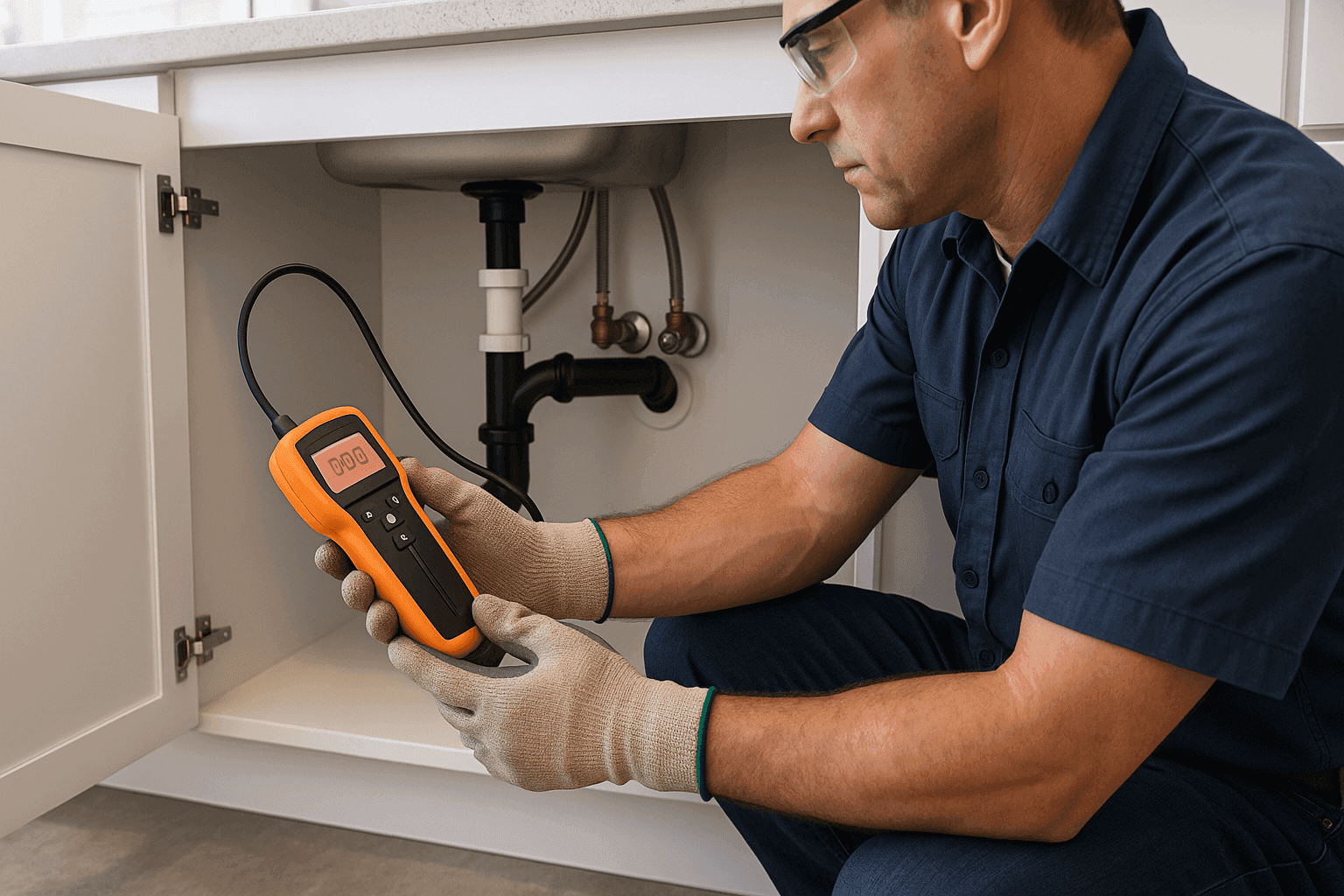
Is there a slow, stubborn drip lurking behind your walls? Water slips quietly through cracks and joints, often hiding until it’s too late. At Smith Plumbing Heating & Cooling, we know that undetected plumbing leaks are more than a nuisance—they’re a silent threat. Left alone, they grow into costly headaches, leading to mold, warped floors, and even weakened foundations.
Nobody wants the surprise of a soggy ceiling or the headache of chasing leaks that seem invisible. Here’s how you can catch those sneaky leaks early, take action, and keep your home safe from hidden water damage.
Common Signs of Hidden Leaks
Leaks rarely announce themselves. Most play hide-and-seek with your home’s framework. But there are clues—subtle and not-so-subtle—that your plumbing needs attention.
- Unexplained spike in your water bill: If your water usage jumps and you can’t explain it, a hidden leak could be to blame.
- Musty odors: Damp, earthy smells hint that water is pooling somewhere it shouldn’t.
- Stained or bubbling paint/walls: Moisture behind walls causes paint to peel, bubble, or discolor.
- Warped floors or ceilings: Soft spots, sagging drywall, or mysterious warping are red flags.
- Persistent mold or mildew: Mold loves moisture. If it keeps coming back, investigate further.
- Sound of running water: Hear trickling or rushing when taps are off? Listen closely—your pipes may be talking.
🚩 Signs That Need Urgent Attention
Act fast if you spot:
- Water pooling on floors with no clear source.
- Sudden drop in water pressure.
- Bulging ceilings or walls—these can burst and cause major flooding.
- Electrical issues near damp areas.
Ignoring these signs is like ignoring smoke before fire. Quick action now protects your home and wallet later.
DIY Leak Detection Techniques
You don’t need to be a plumber to do some basic detective work. Think of it like checking for drafts in winter—except, instead of cold air, you’re hunting for moisture.
- Monitor your water meter: Turn off all water fixtures. If your meter keeps spinning, water is escaping somewhere.
- Use food coloring in toilets: Add a few drops to the tank. If color seeps into the bowl without flushing, you’ve got a leak.
- Check under sinks and around fixtures: Feel pipes and cabinet bottoms for unexpected dampness.
- Inspect appliances: Look for puddles near washing machines, water heaters, and dishwashers.
Tools Homeowners Can Use
A few simple gadgets can make your search easier:
- Moisture meter: Like a stud finder, but for dampness. Press it against walls or floors to detect hidden moisture.
- Infrared thermometer: Spots cold (wet) patches behind walls.
- Flashlight and paper towels: Sometimes, old-school is best. Shine a light into dark corners, and blot suspicious areas to see if they’re damp.
Remember, DIY methods spot surface problems. Leaks inside walls or under slabs often need a pro’s touch.
When to Call a Professional
Leak detection isn’t always straightforward. Sometimes, what looks simple on the surface hides a complex problem below. That’s when it’s time to bring in licensed plumbers like Smith Plumbing Heating & Cooling.
Why Prompt, Licensed Repairs Matter
Plumbing work isn’t just about stopping water. It’s about protecting your home’s structure and everyone inside. Delaying repairs can lead to:
- Mold growth, which can trigger allergies and respiratory problems (see CDC guidelines on mold in homes).
- Compromised building materials—wood rot, weakened drywall, and foundation cracks.
- Potential electrical hazards if water reaches wiring or outlets.
For peace of mind, always choose a plumber who’s licensed, insured, and experienced in leak detection and repair.
What Pros Do On Arrival
When our team arrives, we come prepared—like detectives with a toolbox.
- Thorough visual inspection: We look for stains, puddles, warped surfaces, and test fixtures.
- Pressure testing: We use specialized gauges to monitor your system for drops in pressure—a sure sign of a leak.
- Acoustic and electronic detection: High-tech listening devices help us “hear” leaks through floors, walls, and concrete.
- Thermal imaging: Pinpoints areas where water is cooling down surfaces behind walls or ceilings.
- Moisture mapping: We chart out where water has traveled, ensuring no hidden pockets are missed.
After finding the leak, we’ll explain your repair options—whether it’s a simple patch, pipe replacement, or more extensive work like repiping or water line repair.
Our Repair Process
- Isolate the affected section to prevent further damage.
- Remove only the necessary amount of wall or flooring.
- Repair or replace damaged piping, using materials that meet current code (per local plumbing standards).
- Test the system for leaks before closing everything up.
- Restore affected surfaces as neatly as possible.
Prevention & Maintenance
The best leak is the one that never happens. A little attention each season can save you a river of trouble down the road.
- Schedule annual plumbing inspections: Like getting your car serviced, regular checkups catch small problems before they grow.
- Monitor your water bill: Sudden spikes? Investigate promptly.
- Install water leak detectors: These small sensors sound an alarm or send alerts if they detect moisture.
- Insulate exposed pipes in winter: Especially important to prevent burst pipes during cold snaps.
- Know where your main water shut-off valve is: In an emergency, this knowledge can be a lifesaver.
Following local and national plumbing codes (like those from the International Plumbing Code) ensures your repairs and installations keep your home safe.
Costs & Time Factors
Every leak is unique. Some repairs take an hour, others may require a day or more—especially if the leak is buried under concrete or inside a wall.
- Simple fixture leaks: Often resolved in less than two hours.
- Hidden pipe leaks: Can take half a day or longer, depending on access and extent of damage.
- Extensive water damage: Remediation and drying may add days to the process.
It’s always less expensive to repair a small leak than to wait for a big disaster.
When It’s an Emergency
Some situations can’t wait:
- Water pouring through ceilings or walls.
- Loss of water pressure throughout the home.
- Sewage smells or visible wastewater backing up (requires urgent sewer line inspection or repair).
- Gas line leaks (leave the house and call emergency services).
If you’re ever unsure, it’s better to call for emergency plumbing than risk further damage.
FAQ
How can I tell if a leak is coming from a pipe or a fixture?
Check if the leak appears only when a certain faucet or appliance is in use. If so, it’s likely a fixture. If water appears regardless of use, it may be a hidden pipe.
Does insurance cover water damage from leaks?
Most standard policies cover sudden and accidental leaks, but not damage from long-term neglect. Always check your policy details.
Are there health risks to hidden leaks?
Yes. Mold and mildew can trigger allergies and respiratory issues, and water near electrical wiring increases fire risk.
Can I prevent all leaks?
While you can’t stop every leak, preventative maintenance, timely repairs, and regular inspections greatly reduce your risk.
Local/Seasonal Considerations
Leaks can happen any time, but certain seasons bring extra risk:
- Winter: Frozen pipes can burst when temperatures drop. Insulate pipes in unheated areas.
- Spring thaw: Melting snow can overwhelm sump pumps and expose cracks in exterior plumbing.
- Heavy summer rain: Overloaded drains and foundation cracks can lead to basement leaks.
No matter the season, quick action makes all the difference.
Hidden leaks aren’t just a plumbing problem—they’re a home problem. If you spot the warning signs or suspect water is sneaking where it shouldn’t, don’t wait.
Call Smith Plumbing Heating & Cooling now — or reach us anytime at 844-482-8184 .